GUADELOUPE
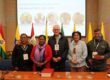
The new Diocesan Solidarity-Health Service initiated a conference-debate on the theme Acting together for and with the most vulnerable at the Raizet Regional Space March 7.
“Many of the actors involved took part in this reflection, to the great satisfaction of the organisers” according to the website for the Diocese of Basse-Terre and Pointe-à-Pitre: www.catholique-guadeloupe.org
It noted that the theme is “a particularly topical issue in Guadeloupe, where 34.5 percent of the population lives below the poverty line. The aim of this event was to exchange on good practices, but also to identify synergies between the actors of the territory, at the service of the most disadvantaged.”
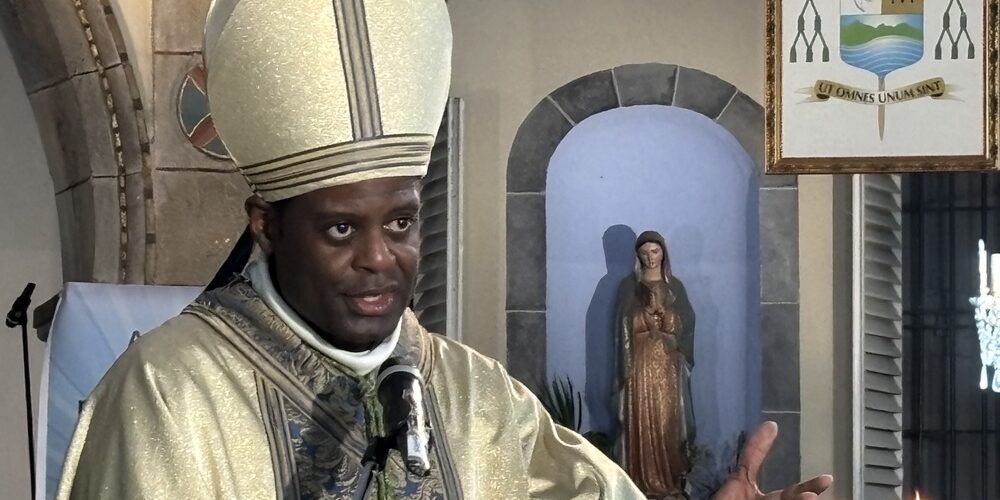
The first objective achieved was to bring together people concerned, interested in the call launched by the Church, namely to meet on a theme: the accompaniment of people in fragility, to do with and for these people. “What we want to develop above all is to show how much being at the service and support of these people is not only assistance but working on their dignity and showing them that they can take initiatives and move forward in life,” said Bishop Philippe Guiougou.
“Through the solidarity-health service, the Catholic Church in Guadeloupe actually wishes to create bridges between these different bodies to make the proposed measures better known and to work better together,” the Bishop said.
He emphasised that the role of the Church is also to act within our society so that it becomes better. “So, this requires concrete actions, knowledge of society, what the Church knows how to do, to act for solidarity as she has been doing for years and centuries. It is a way of continuing to put this at the centre of our social and ecclesial action in our small and large Guadeloupe,” the bishop also stressed.
By organising such an event, open to all, it was also a question for the diocesan solidarity health service that has just been created to make itself known. The online news source stated “there is nothing like a conference-debate to explain the framework of its mission and also to learn from the expertise and knowledge of the field of the actors involved. Then, the expressed desire is to establish a map of structures and stakeholders in the sphere of solidarity and health; and to consider these possible synergies with the Church as a bridge.”
“The goal is really to act together, but how and especially with whom. Hence the need to work on the coordination of all these structures and movements that support the most disadvantaged. We see a lot of solidarity shops, actions that are carried out on the ground, it challenges us, which shows that our country is becoming a vulnerable country, with, unfortunately, more and more fragile people,” said Jean-Marie Cabald, Episcopal Delegate for Solidarity and Health.