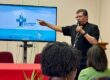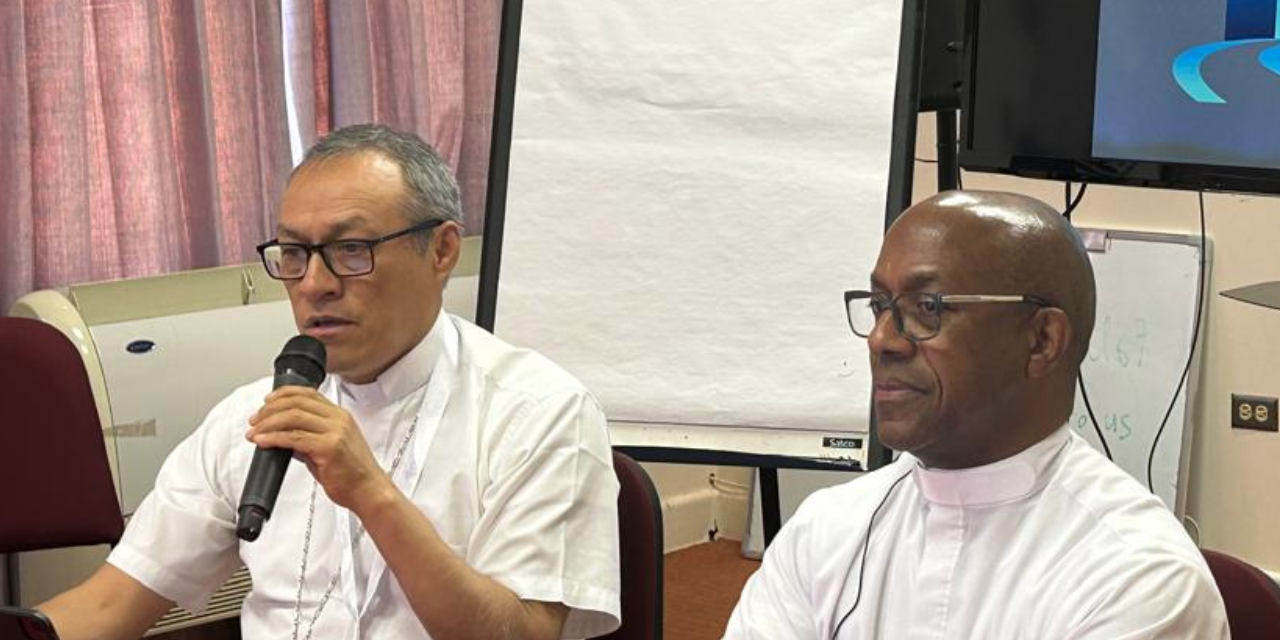
With a renewed call to deepen the synodal process and consolidate communion among the particular Churches, Monsignor Lizardo Estrada Herrera , Secretary General of the Latin American and Caribbean Episcopal Council (Celam), was in charge of opening the Regional Meeting of the Caribbean held in Trinidad and Tobago from June 8 to 11.
The meeting, organized by the Latin American and Caribbean Episcopal Council (CELAM), aims to broaden its scope and strengthen cooperation with the Episcopal Conferences of the continent. This meeting brings together Church representatives from Cuba, Haiti, the Dominican Republic, Puerto Rico, and the territories that comprise the Episcopal Conference of the Antilles . This gathering, the last in the 2026 cycle, completes eight of the twelve regional meetings planned by the continental organization.
In his address, the Secretary General of CELAM highlighted the fruits of the synodal process underway in the Church in Latin America and the Caribbean and emphasized the Church’s commitment to strengthening its character as the People of God, moving forward in communion. “We are advancing in synodality. We are also embracing our identity as the Church, the People of God, journeying together,” he said, recalling the need to listen to “the cry of the impoverished and of Mother Earth.”
Walking together through the challenges
The auxiliary bishop of Cusco, Peru, also expressed his gratitude for the delegations’ willingness to attend the meeting and acknowledged the challenges of travel in the Caribbean region. In that context, he regretted the physical absence of the Haitian delegation due to visa difficulties. “We know how difficult it is to meet in the Caribbean,” he said, explaining that the Church in Haiti is participating virtually.
After thanking the Church in the Antilles for its warm welcome, Archbishop Estrada emphasized that the second cycle of regional meetings seeks to deepen participation as one of the pillars of the synodal process the Church is undergoing. “We want to continue walking together, deepening coordination and communion,” he said.
At another point in his message, Monsignor Estrada highlighted the warm reception that the pontificate of Leo XIV has received and the impact of his encyclical Magnifica Humanitas. He emphasized the Pope’s call to “lift our gaze” to discover God in the faces of those most in need of service. “We have seen how a society that some sought to secularize and polarize has so lovingly welcomed our Shepherd of the entire Church. Blessed be God!” he declared.
Sharing gifts to strengthen the mission
The prelate recalled the journey undertaken by the Caribbean Churches since the meeting held in Santo Domingo in March 2025 , when some of the main wounds affecting the region were identified, including forced migration, violence, social crises, and the impact of climate change. He also highlighted the expressions of hope represented by the solidarity of the communities and the Church’s vocation to welcome and accompany.
In this regard, the Secretary General emphasized that the priorities identified by the various regions were incorporated by the 40th CELAM Assembly into the pastoral vision of the Church in Latin America and the Caribbean. “With everyone’s participation, we can advance the evangelization of our peoples, helping one another,” he affirmed.
The Peruvian bishop emphasized the importance of strengthening cooperation among the Episcopal Conferences, promoting the exchange of experiences, knowledge, and resources in service of their common mission. “Let each Church offer what it has and ask others for what it needs,” he said. He also reiterated that proclaiming the Gospel is not the sole responsibility of specialists, but of all the People of God. “Preaching the Gospel is not the task of a few experts: it is the task of everyone, everyone, everyone,” he stressed.
In closing his message, the Secretary General of CELAM called for a Church that is close to the people and open to all, inspired by the example of Pope Leo XIV. “This is the path we must follow: defending human dignity, working for justice to build peace,” he affirmed, before entrusting to God the work planned for the three days of the Caribbean Regional Meeting.
June 9, 2026 by

Luz Marina Medina Garavito