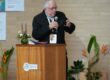
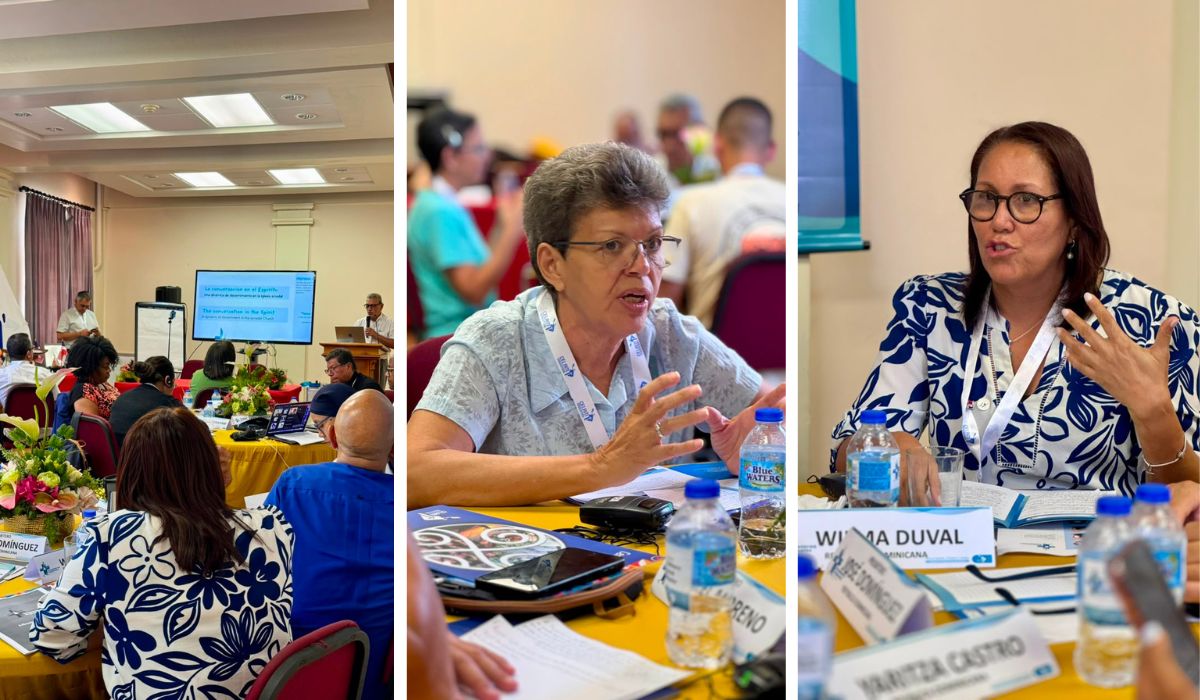
The current situation in the Caribbean was the focus of the intervention by Jamaican theologian Anna Kasafi Perkins, the first professor of Caribbean Theology and Ethics at the University of the West Indies (UWI), who urged the particular Churches to realistically recognize the challenges facing the region , within the framework of the Regional Meeting of the Caribbean promoted by the Latin American and Caribbean Episcopal Council (Celam).
From the “seeing” stage of the pastoral method “See, Judge and Act”, Anna Kasafi Perkins developed a reading of Caribbean reality inspired by the social and prophetic intuitions present in the music of Jamaican artist Bob Marley, as a way to recognize the signs of the times.
“I thank the bishops of CELAM for their kind invitation to share more in-depth information about our region,” he said at the beginning of his address, noting that “before we can judge our situation in the light of the Gospel or act to promote transformation, we must first see clearly and faithfully.” In this regard, he affirmed that the Church is called to “face reality honestly and recognize the world as it is.”
Youth, faith and culture in transformation
In analyzing the region from a social and cultural perspective, Kasafi Perkins highlighted the predominantly youthful character of the Caribbean, while also warning of a growing decline in church participation among younger generations. “The future of our Church is in a precarious situation due to the reduced commitment of young people and young adults ,” he stated.
The teacher also addressed the impact of social media on people’s lives, especially on how identity is constructed and human relationships are established. She stated that “educators, parents, and pastoral agents are observing the profound effects of social media on mental health ,” noting that this intensified after the pandemic.
Despite the challenges described, the theologian highlighted the resilience and hope that characterize Caribbean peoples. She affirmed that “we must also recognize the beauty of our cultural reality ,” and noted that music, spirituality, and traditions continue to strengthen unity among the peoples of the region.
Violence, migration and international pressures
In his analysis of the Caribbean’s political and economic situation , Kasafi Perkins identified violence as one of the region’s most pressing concerns. He asserted that “the structural and physical violence present in our region demands that we distinguish truth from falsehood .” He lamented that this reality disproportionately affects young people.
He also warned about the economic difficulties and international tensions that affect the lives of small island states. He further analyzed the migration patterns from Venezuela, Haiti, and Cuba , and called for a pastoral approach of accompaniment that responds to these realities with human closeness and evangelical compassion.
“As a synodal Church, we must ask ourselves why,” he said, alluding to the deep-seated causes behind the various forms of suffering experienced by Caribbean societies.
The digital world and evangelization
The theologian also drew attention to the consequences that cultural changes and the digital environment are having on new generations. “The digital space has become a deeply polarized arena, rife with misinformation and manipulation ,” she emphasized. But at the same time, she highlighted that new technologies represent “a historic opportunity for evangelization, personal development, and reaching out to those who are distant from traditional church structures, especially young people.”
From that same perspective, Anna Kasafi Perkins stated that the digital world is no longer simply a technological medium. “Digital media are no longer mere tools, but a new environment in which people live, think, and shape their worldview,” she explained.
Climate crisis and a call to hope
The academic also addressed climate change, warning that it jeopardizes the sustainability and future of island nations. “We are victims of an ecological crisis that we did not cause,” she emphasized, alerting to the consequences of rising sea levels, the intensification of extreme weather events, and threats to food production.
While acknowledging the magnitude of the challenges facing the region, Kasafi Perkins referred to the opportunities offered by the synodal path to strengthen ecclesial life. “The situation is serious, but not insurmountable,” he affirmed, asserting that the ongoing synodal process is consolidating a culture of listening, dialogue, and co-responsibility within the Churches of the region.
“We cannot close our eyes or remain paralyzed by what we have seen,” he emphasized. In the final part of his address, he quoted Bob Marley to underscore the urgency of the moment: “We have no time to lose .” With this, he urged the churches of the Caribbean to move from simply “seeing” to pastoral and prophetic commitment on behalf of their people.