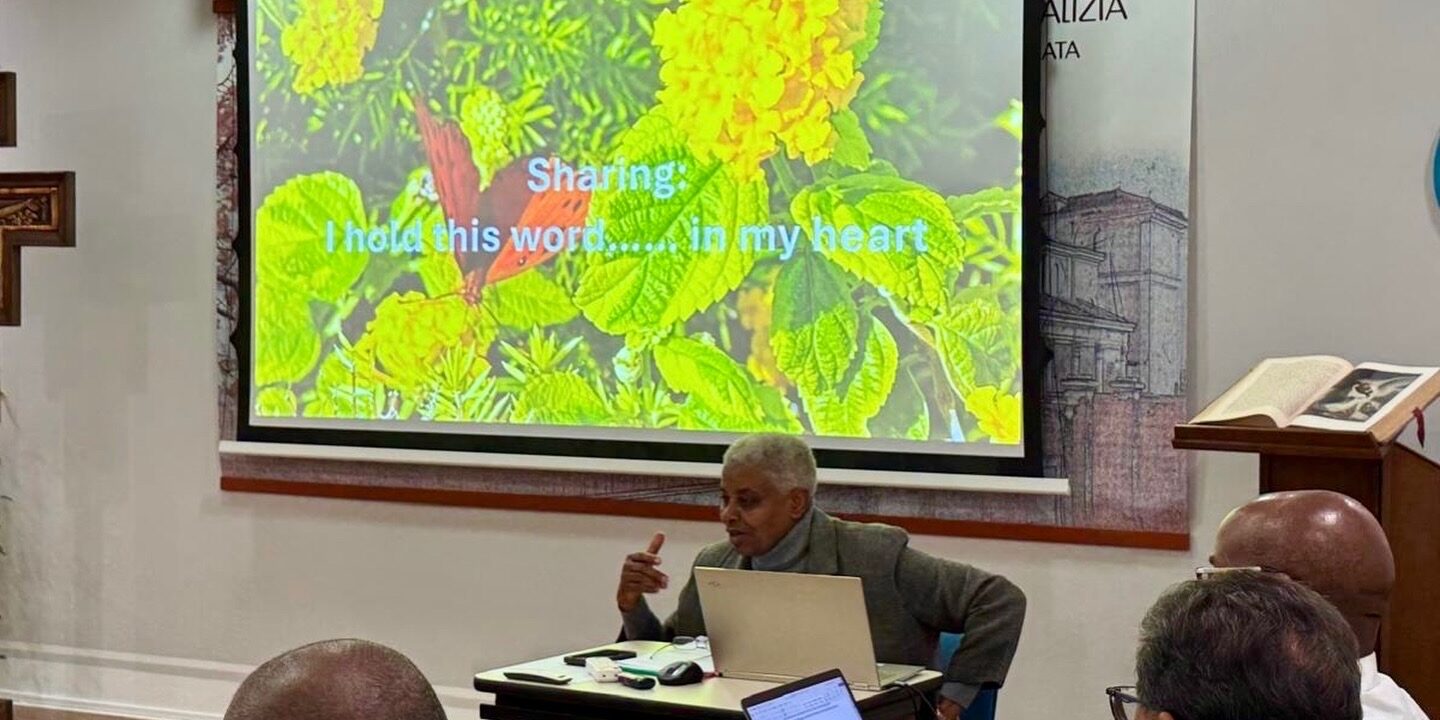
During the recent retreat day of the bishops of the Antilles Episcopal Conference in Rome, Sr. Julie Peters of the Sisters of the Sorrowful Mother offered a phrase that lingered in my heart long after the recollection ended. She challenged the bishops to become “detectors of grace.” It is a striking expression. In a world where many of us have become highly skilled at detecting weakness, failure, and fault, the call to become “detectors of grace” feels both deeply Christ-like and profoundly countercultural.
Too often, our personal relationships, politics, workplaces, families, and even Church communities are shaped by suspicion and criticism. We easily notice people’s flaws, inconsistencies, and idiosyncrasies. Social media has intensified this tendency, rewarding outrage, sarcasm, and public humiliation. Many people now live with a quiet fear of being judged, dismissed, or condemned.
Synodal leadership invites another way.
At the heart of synodality is the belief that the Holy Spirit is already at work in people, cultures, communities, and even in difficult situations. The synodal leader, therefore, is not simply a manager of problems or a guardian of structures. A synodal leader is someone formed to notice grace, to recognise where God is already moving, healing, calling, and transforming. This does not mean ignoring sin, weakness, or the need for conversion. Rather, it means beginning first with the recognition that grace precedes us. God is always already present before we arrive with our judgments, plans, or solutions.
Jesus himself modelled this approach repeatedly throughout his ministry. One of the clearest examples is his encounter with the Samaritan woman at the well in John’s Gospel (John 4:1–42). By the cultural standards of his time, she was someone many would avoid or dismiss. She was a Samaritan, a woman, and someone whose complicated personal history made her vulnerable to public judgment. Yet Jesus approaches her not first as a sinner to condemn, but as a person carrying deep thirst and hidden possibility. Jesus begins with dialogue. He listens. He asks for water. He creates space for encounter.
As the conversation unfolds, Jesus gently reveals the truth about her life, but without humiliation or cruelty. Remarkably, he also recognises her spiritual hunger and her capacity for faith. He sees grace already alive within her. By the end of the encounter, the woman who arrived at the well, isolated and burdened, becomes a missionary to her community, proclaiming: “Come and see a man who told me everything I have ever done.” Jesus detected grace where others may only have detected failure.
This is precisely the kind of leadership synodality seeks to form. A synodal leader learns to ask different questions. Instead of asking only, “What is wrong here?” the synodal leader also asks, “Where is grace already present?” “What gifts are emerging?” “What is the Holy Spirit trying to bring to birth?” Such questions transform the culture of leadership. Communities flourish when people feel seen not merely for their failures, but also for their God-given gifts and possibilities. Young people grow when their creativity is affirmed. Families heal when their sacrifices are recognised. Cultures become spaces of evangelisation when their hidden wisdom and resilience are honoured. Even struggling parish communities can discover new hope when leaders notice small signs of faithfulness, compassion, generosity, and perseverance.
Yet becoming detectors of grace requires formation. It demands contemplative eyes and listening hearts. Sr. Julie’s retreat reflections on St. Francis of Assisi highlighted precisely this inner conversion. St. Francis learned to listen deeply to God, to the poor, to creation, and to the movements of his own heart. He gradually moved from control to stewardship, from isolation to friendship, and from institutional maintenance to the accompaniment of people. Such transformation enabled him to perceive God’s presence in places others ignored.
The formation of synodal leaders, therefore, cannot focus only on administration, strategy, or efficiency. Important as those are, synodal formation must also cultivate attentiveness to grace. Leaders must learn to listen before reacting, discern before judging, and accompany before correcting. This kind of leadership is neither naïve nor passive. Detectors of grace still challenge communities toward deeper conversion and growth. Jesus did this constantly. But correction rooted in love and hope bears far more fruit than criticism rooted in superiority or fear.
Our Caribbean societies desperately need such leaders today in politics, schools, families, workplaces, and Churches. We need leaders capable of recognising the sacred dignity hidden beneath struggle, disappointment, and imperfection. Ultimately, to become a detector of grace is to learn to see as Christ sees. It is believed that no person, culture, or community is beyond the reach of God’s transforming love. And perhaps that is one of the deepest calls of synodality itself: to become a Church that notices grace first, and from that place, walks together toward fuller conversion and communion.