Bishop Francis Alleyne OSB of Georgetown says Guyana is struggling to comprehend the scale of the MV Barima ferry tragedy, as families mourn loved ones and questions continue to emerge about what led to the disaster.
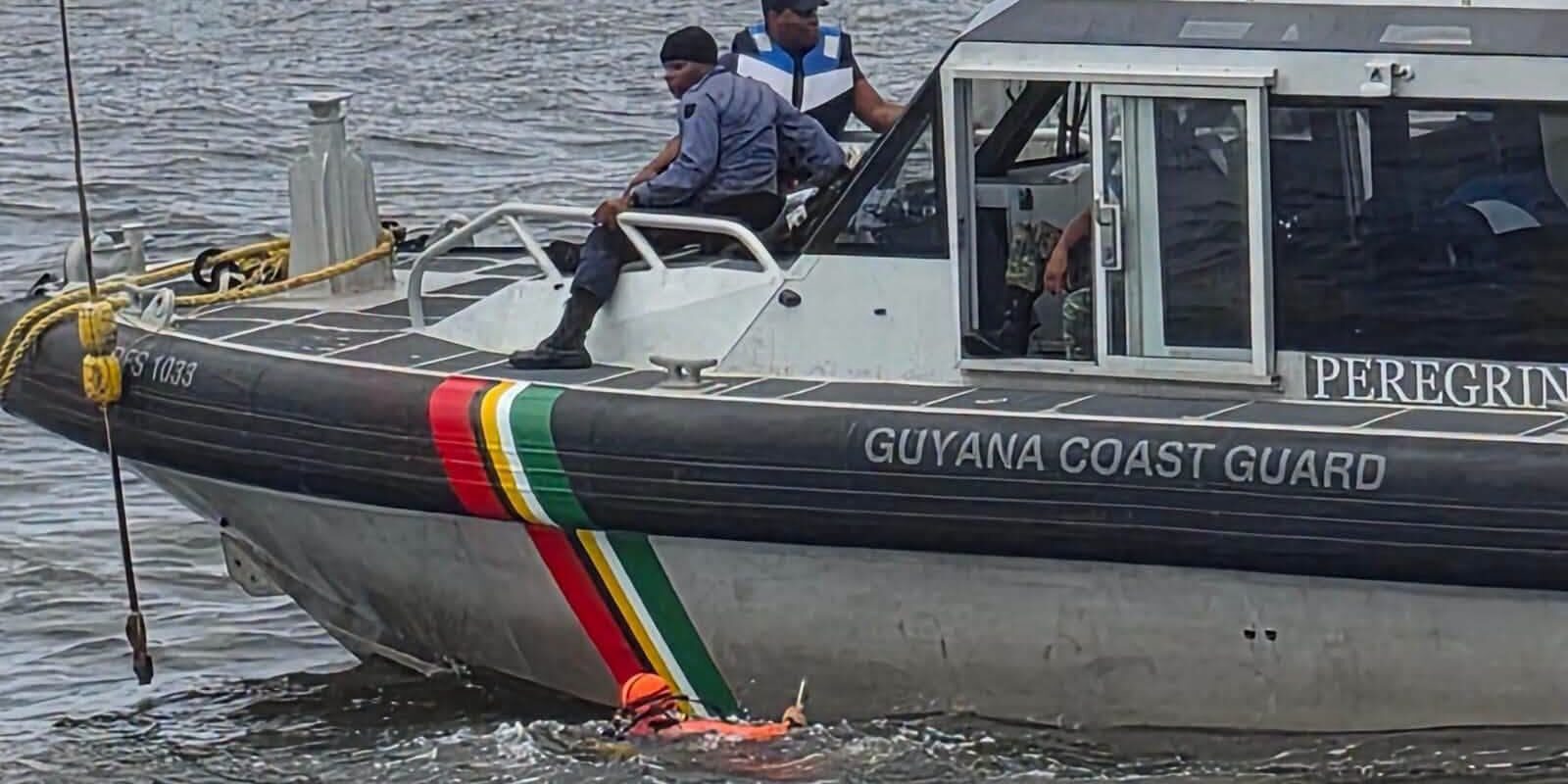
The passenger and cargo ferry capsized July 18 while travelling from Georgetown to Port Kaituma. Authorities say 179 people were on board, with 69 people rescued. As of Tuesday, more than 25 bodies have been recovered, with search and recovery efforts continuing.
The tragedy has sparked national mourning, with authorities investigating concerns surrounding the vessel’s passenger records and reports involving crew members.
The captain and first engineer were taken into custody after reportedly testing positive for narcotics, while questions have also been raised about possible negligence.
Speaking with The Catholic News on Tuesday, Bishop Alleyne said the impact of the disaster has been difficult to express. “… the grief and the sense of loss and separation that people are going through now. And this is radiating to the whole country,” he said.
He said while tragedies of this nature can sometimes lead to anger, the response so far has been one of concern and reflection.
“We are seeing people trying to make sense of what’s happened…and of course questioning it.”
The Bishop said many people are waiting for more information as authorities continue their work. He said the stories emerging from families who lost loved ones have been heartbreaking.
Bishop Alleyne said the Catholic Church immediately responded through prayer, ensuring that the victims and grieving families were remembered during Sunday liturgies.
He announced a special Mass at the Cathedral of the Immaculate Conception in Georgetown for Wednesday, July 29, dedicated to praying for those who died and supporting families affected by the tragedy.
As investigations continue, Bishop Alleyne said reports of possible negligence and corruption are troubling, but he stressed that the facts must emerge.
He said these concerns extend beyond maritime travel, pointing to the risks faced by people who depend on various forms of transportation.
“And in that vein, people would be commuting not only with this maritime but you have people commuting with mini buses, going into the Interior…there are risks involved and people tend to, they would notice something is not right but they won’t say anything because they need to get to their destination.”
He urged both authorities and citizens to place greater emphasis on safety and the protection of human life.
“People overlook the whole negligence as they see them. Some of that is coming out where people are saying ‘yes, every time we travel this happens’.”
He added: “So I’m hoping that as that conversation continues, there would be not only from the point of view from the government and the regulations and so, but the people generally would really look out for each other for safety, the value of life and the sacredness of life.”
Bishop Alleyne said while the road ahead will be difficult, especially for families who have lost loved ones, he trusts that the resilience of the Guyanese people will help them move forward. He said the tragedy must also lead to stronger safety measures for those who depend on transportation services.
“It’s hard to find the words for this but we just have to go with it and look it in the eye, and look at the way forward. A way forward that would minimise the risks of people who have to travel.”
WATCH VIDEO HERE: https://youtu.be/P4GYe-vCnMk?feature=shared